CURRICULUM
Here at Yarborough, we take the latest research to build an outstanding curriculum offer.
We take all the best bits and make it our own!
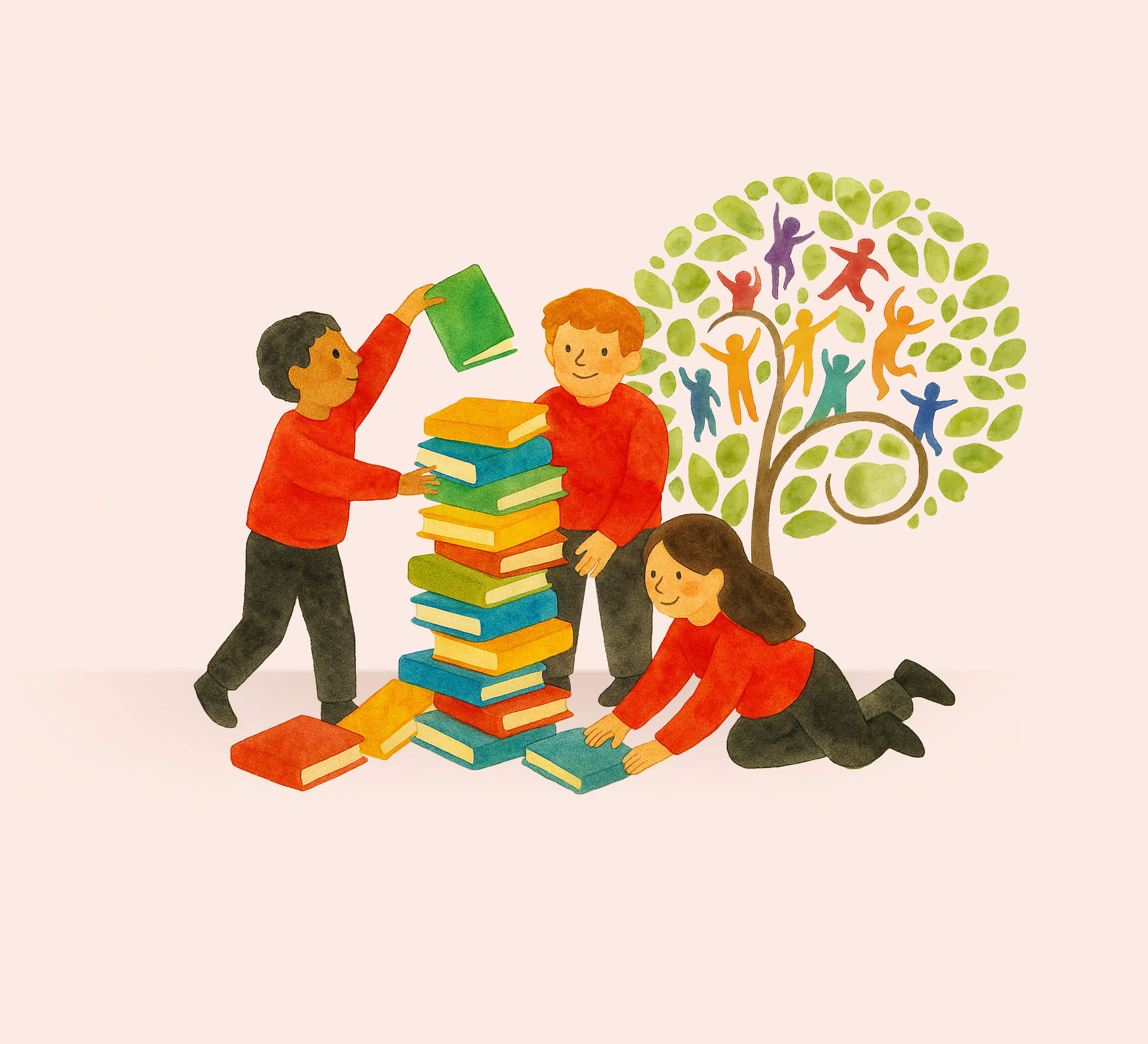

Our teaching and learning is based upon the following:
Trauma Informed Practice
Our Trauma Informed approach recognises that pupils learn best when they feel safe and supported. By prioritising strong relationships and emotional wellbeing, we create an environment where every child can thrive.

Neurosequential Model
Dr Bruce Perry’s Neurosequential Model helps us understand how children’s experiences affect their learning, behaviour, and emotions. It recognises that children learn best when they feel safe, calm, and connected. In school, we use this approach to build positive relationships, provide consistent routines, and support children’s wellbeing so they can thrive both socially and academically.
Threshold Concepts
Threshold Concepts are the key ideas that unlock deeper understanding in a subject. By revisiting these concepts over time, pupils strengthen their understanding and move from basic knowledge towards deeper mastery.
Chris Quigley Education
Our curriculum is structured using the Chris Quigley Essentials Curriculum. This framework ensures knowledge and skills are carefully sequenced so learning builds progressively over time, helping pupils develop secure understanding and make connections across subjects.
Retrieval Practice
Retrieval Practice strengthens memory by encouraging pupils to recall previously learned information. Regular opportunities to revisit learning help secure knowledge in long-term memory and support deeper understanding.
Schema Theory
Schema Theory explains how learners connect new knowledge to what they already know. At Yarborough, teachers help pupils build these connections so knowledge is organised, remembered more effectively and applied confidently in new situations.
Cognitive Load Theory
Cognitive Load Theory helps teachers present learning in clear, manageable steps. This ensures pupils focus on the most important ideas and build understanding gradually and effectively.
Learning Journeys
Pupils explore meaningful questions and concepts through engaging themes that bring together different types of knowledge through carefully crafted learning journeys. These journeys enable our pupils to think deeply and make meaningful connections. This approach encourages curiosity, collaboration and independence while allowing children to apply their learning in purposeful ways.


CURRICULUM
We teach through a mixture of learning journeys, topics and stand alone lessons.
The curriculum is engaging, immersive and purposeful and is explored through Threshold Concepts and Knowledge Categories which are consistent throughout each classroom.

YA Online Portal — Seesaw
Our safe ad easy-to-use online platform where pupils share their learning with their special grown ups. Families can stay connected and engaged with our classrooms by viewing learning activities and teacher updates.
